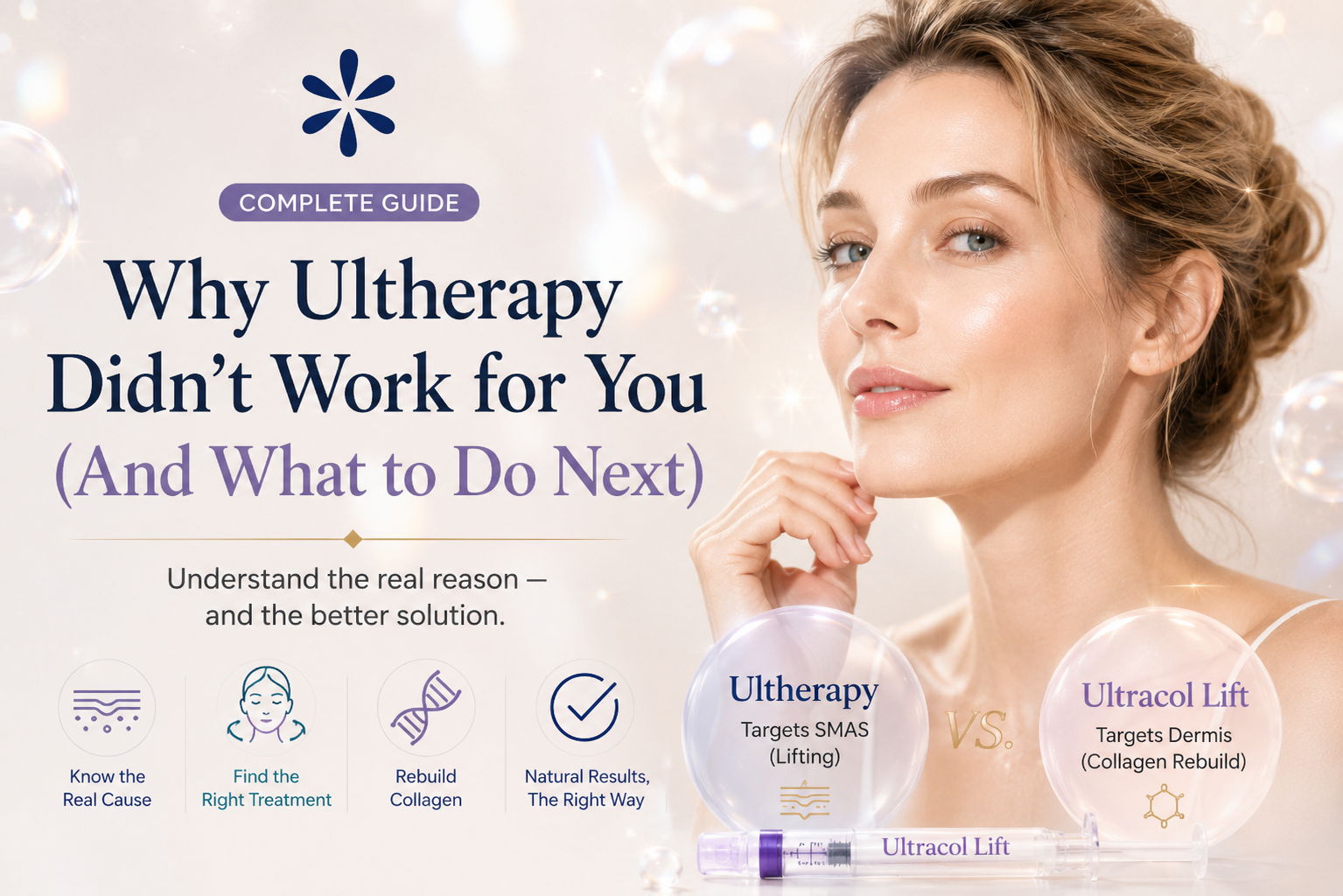
You did the research. You booked the appointment. You went through the session.
And then you waited.
But the change you were expecting never quite showed up.
If that sounds familiar, you're not alone — and it doesn't mean Ultherapy failed. It means Ultherapy may not have been the right match for what your face actually needed.
Here's what most clinics won't tell you before you book.
Ultherapy Works. Just Not for Every Type of Sagging.
Ultherapy is a legitimate, well-researched treatment. It uses high-intensity focused ultrasound (HIFU) to target the SMAS layer — the same deep tissue layer addressed in surgical facelifts — and it genuinely delivers results for the right candidate.
The problem isn't the technology. The problem is that sagging has more than one cause. And Ultherapy is designed to solve one of them.
The 5 Reasons You Didn't See Results
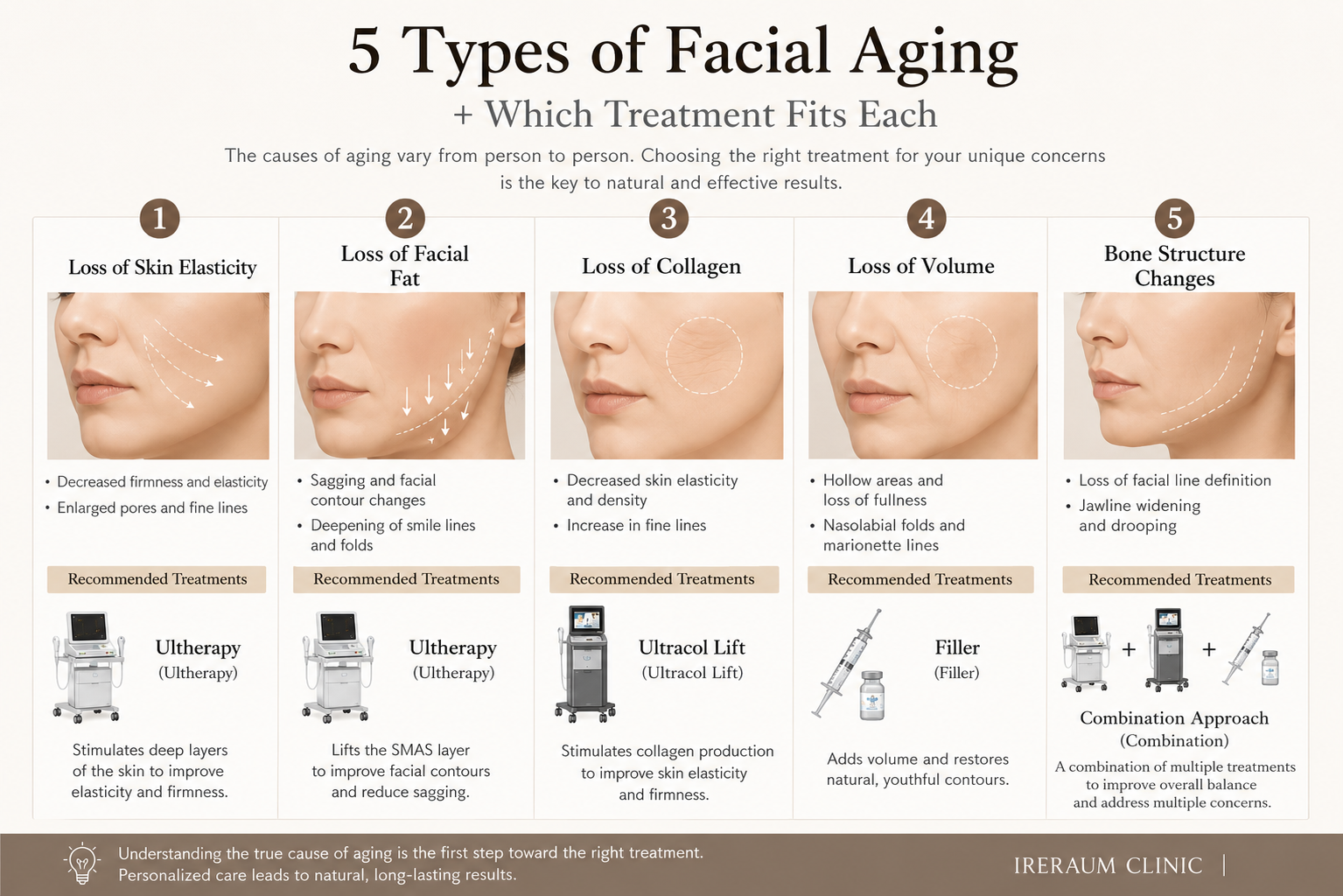
→ Ultherapy / Collagen loss → Ultracol Lift / Volume depletion → Filler / Bone structure change → Combined approach. This is the most important visual in the blog — place directly above the list.]
① Your sagging had a different root cause
Not all facial aging looks the same under the surface. Sagging can come from skin laxity, fat descent, collagen loss, volume depletion, or structural bone changes. Ultherapy excels at tightening — but tightening doesn't fix every version of the problem.
② You were expecting a surgical result from a non-surgical treatment
Ultherapy produces a natural, gradual lift. If you were comparing your result to a surgical facelift, the gap between expectation and outcome will always feel significant — not because the treatment underperformed, but because the benchmark was wrong.
③ You judged the result too early
Collagen regeneration takes time. Many patients don't see the full effect until 2–3 months after treatment. If you evaluated your result at week two, you may have stopped waiting before the change arrived.
④ Collagen loss was the main issue — not laxity
From the mid-30s onward, the face doesn't just sag. It loses density. The collagen framework that keeps skin plump, defined, and resilient starts to thin — and no amount of tightening replaces what isn't there anymore.
If collagen depletion is the primary driver of your aging, a treatment that stimulates new collagen production will outperform one that simply tightens existing tissue.
⑤ You didn't have much cheek volume to begin with
This is one of the most underdiagnosed reasons for Ultherapy disappointment — and it's more common than most clinics acknowledge.
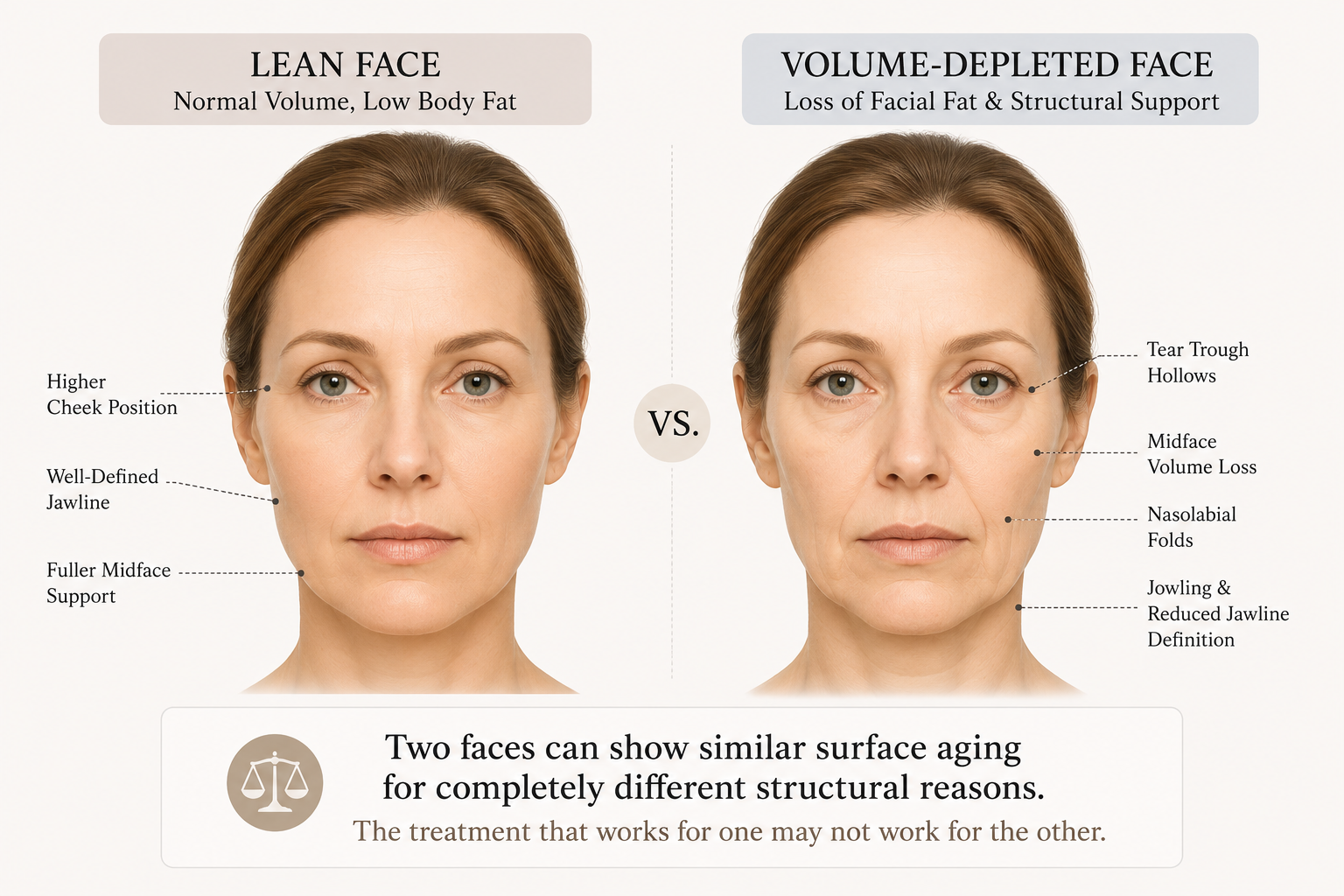
For patients with naturally lean faces, minimal cheek fat, or sharp facial structure, the visible signs of aging aren't primarily about sagging. They're about volume loss, collagen thinning, and reduced skin resilience.
Tightening a face that's already lean doesn't create lift. It can make the face look slightly hollow — more tired, not more youthful. If this describes your result, the issue wasn't the treatment. It was the diagnosis.
What Your Face Actually Needs: Rebuilding, Not Just Lifting
A youthful facial contour isn't just about position. It's about the quality and density of the tissue underneath.
Skin. Collagen. Fat. Bone structure. All four contribute to how the face reads — and aging affects all four differently in different people.
This is why Korean aesthetic medicine has increasingly moved toward treatments that don't just lift, but rebuild the skin's structural foundation from within.
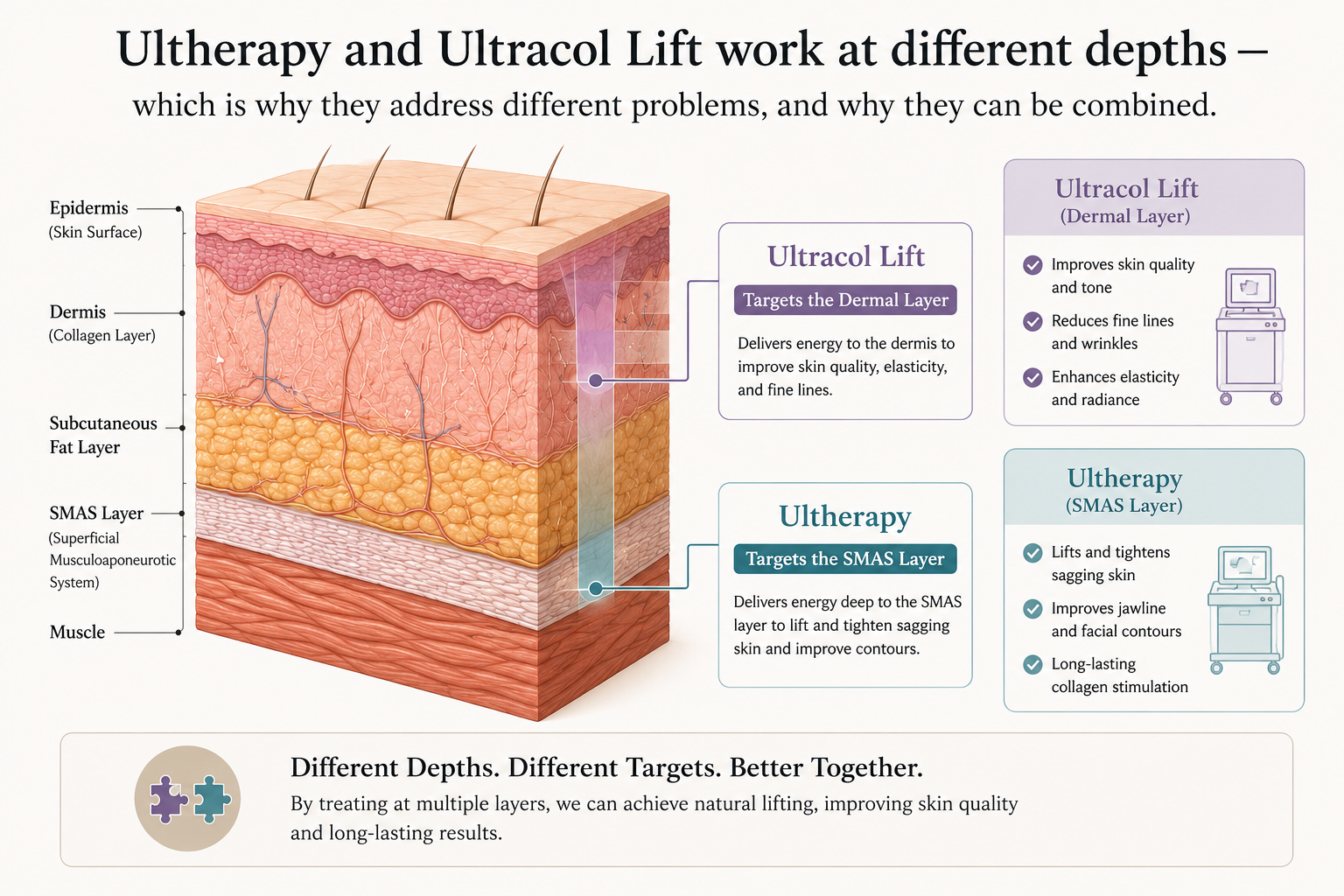
Ultracol Lift: The Collagen-First Alternative
One of the treatments gaining significant attention at Ireraum Clinic is the Ultracol Lift — a treatment designed specifically for patients whose primary issue is collagen depletion rather than tissue laxity.
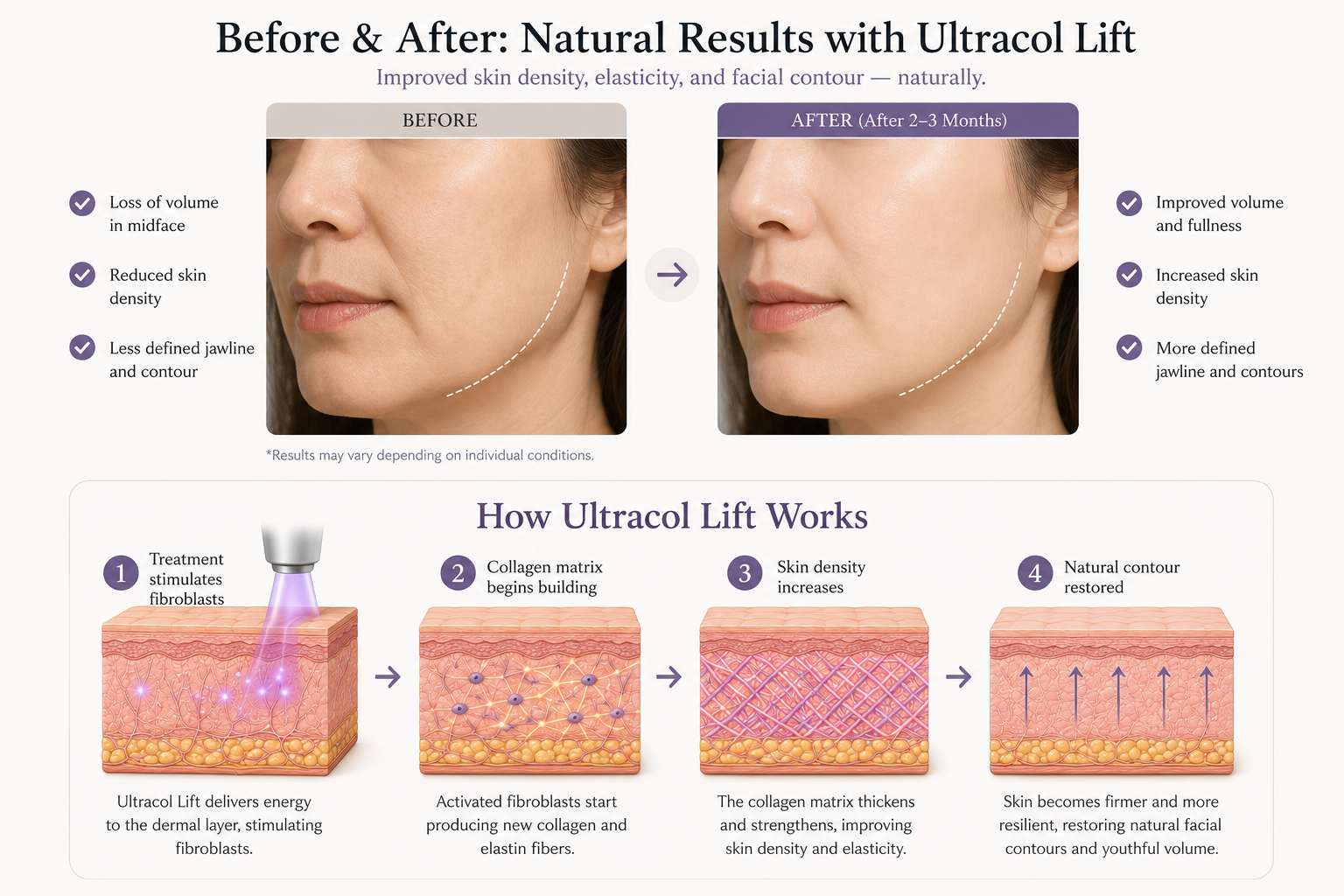
Rather than tightening what's already there, Ultracol Lift works by stimulating the skin's own collagen production — gradually rebuilding the internal structure that gives the face its firmness, bounce, and defined contour.
The result is a face that looks healthier and more resilient — not just tighter.
Can Ultherapy and Ultracol Lift Be Combined?
Yes — and for many patients, the combination produces better results than either treatment alone.
They aren't competing treatments. They address different layers of the same problem.
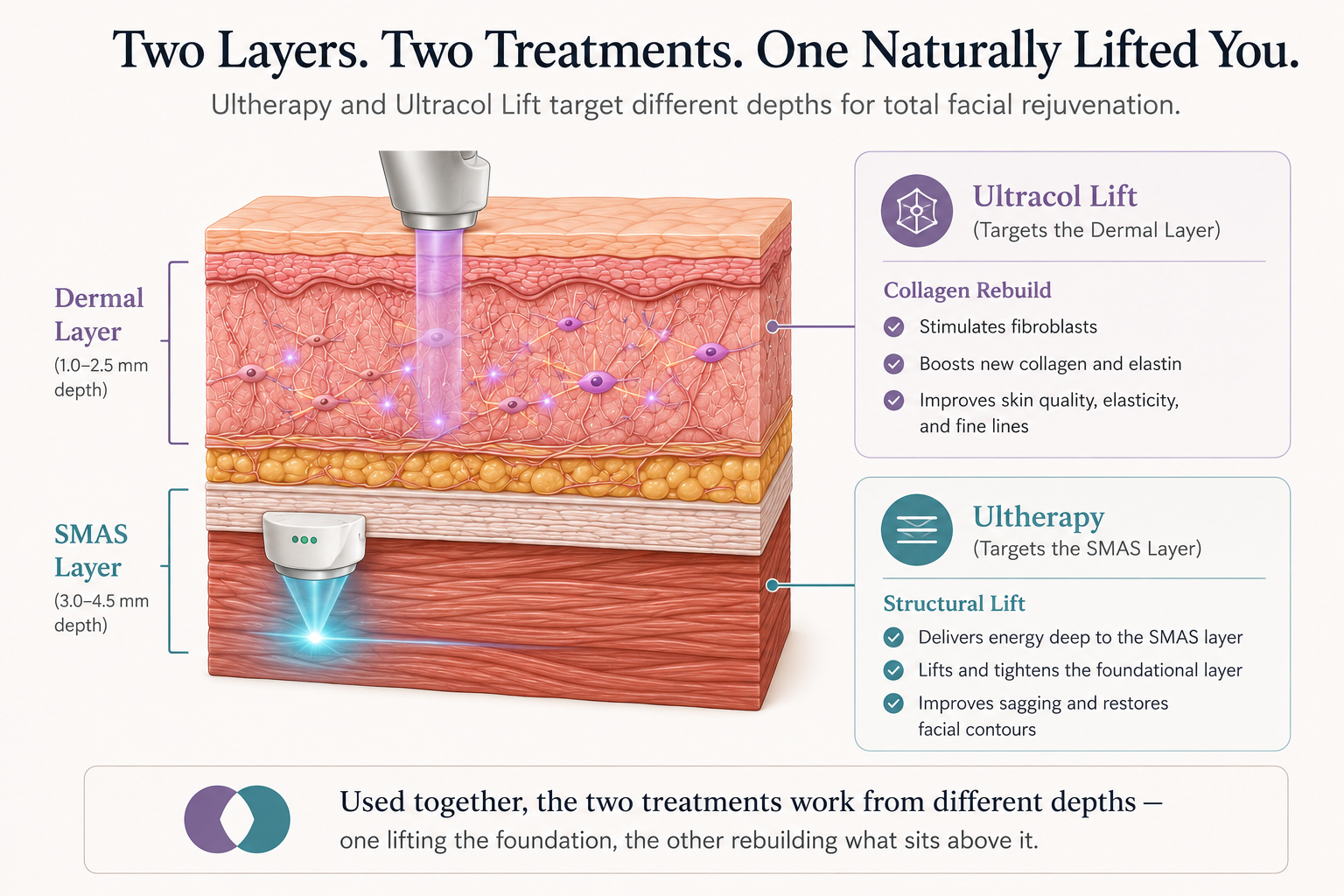
Ultherapy targets the SMAS layer for structural lift. Ultracol Lift targets the dermal layer for collagen density and skin quality. Used together, they work from two directions — one lifting the foundation, the other rebuilding what sits above it.
This combination is particularly effective for patients who want to address both facial contour and overall skin quality in a single treatment plan.
This Treatment May Be Right for You If:
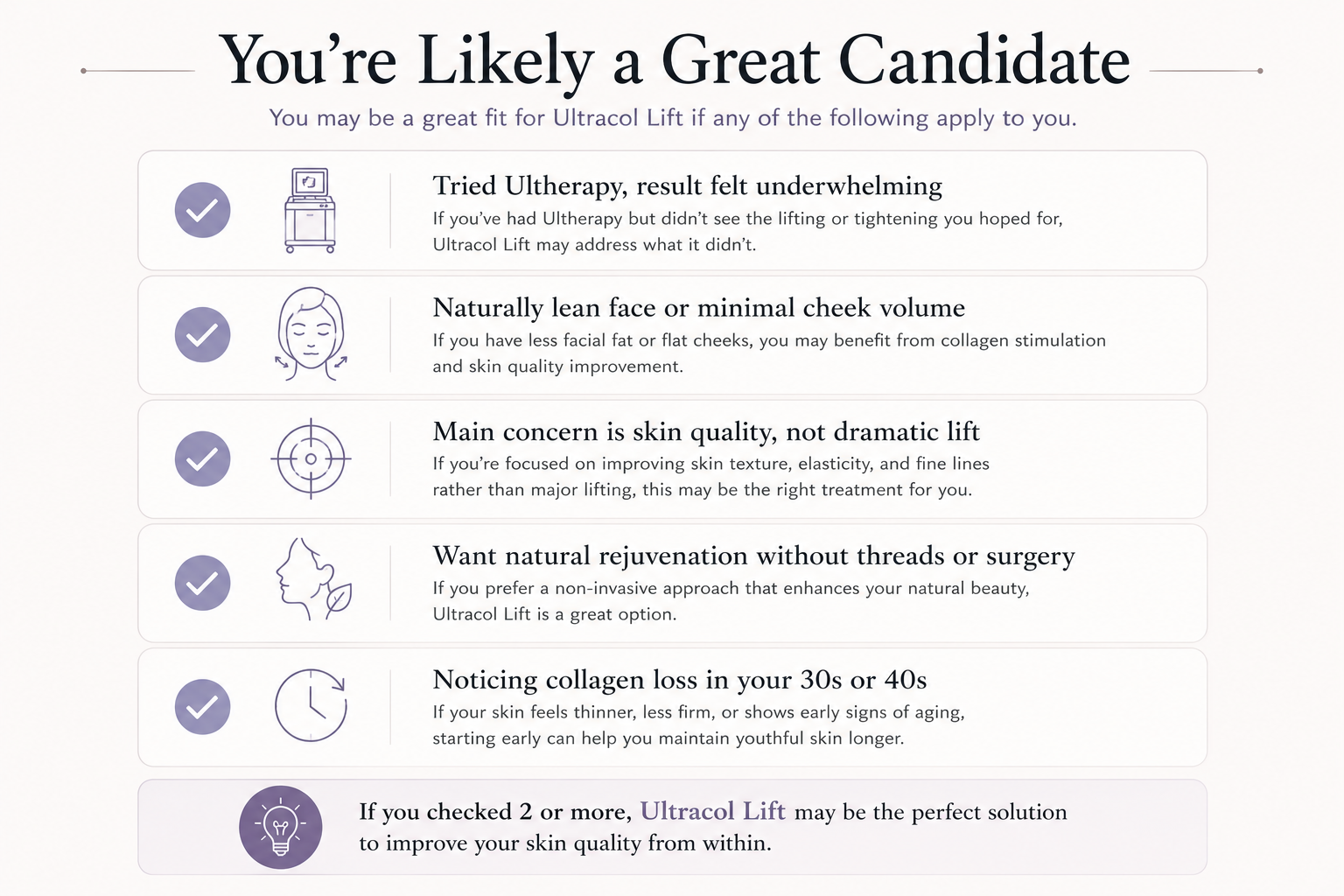
- You tried Ultherapy and felt the result was underwhelming
- You have a naturally lean face or minimal cheek volume
- Your main concern is skin quality — dullness, loss of firmness, reduced elasticity — not dramatic lifting
- You want natural-looking rejuvenation without threads or surgery
- You're starting to notice collagen loss in your 30s or 40s and want to address it before it accelerates
How Ireraum Clinic Approaches This Differently
At Ireraum Clinic Gangnam, every consultation starts with one question: what is actually causing this patient's facial aging?
Not every patient needs the same treatment. A face with significant laxity needs different care than a face with collagen loss. A face with volume depletion needs a different approach than one with fat descent.
The consultation — 1:1 with our director, not a coordinator — is where that distinction gets made. The treatment plan follows the diagnosis, not the other way around.
If you've had Ultherapy elsewhere and felt the result didn't match your expectations, that conversation is exactly where to start.
Frequently Asked Questions
Q. Is Ultracol Lift a replacement for Ultherapy?
Not necessarily. For some patients it's an alternative; for others it's a complement. The right answer depends on the actual cause of your facial aging — which is what the consultation is designed to determine.
Q. How soon will I see results from Ultracol Lift?
Collagen stimulation takes time. Most patients notice visible changes around 4–8 weeks after treatment, with continued improvement over the following months as collagen production builds.
Q. Is this treatment available for international patients?
Yes. Ireraum Clinic Gangnam offers English consultations and works with international patients regularly. An online photo consultation is available before you travel.
Q. Can I combine this with other treatments?
Yes. Ultracol Lift pairs well with skin regeneration treatments like the Tansaeng Shot for patients who want to address both facial contour and overall skin quality simultaneously.
The Bottom Line
Ultherapy not working isn't a failure. It's information.
It means the visible aging you're seeing isn't primarily a laxity problem — it's a collagen problem. And that's a solvable problem. It just requires a different starting point.
At IRERAUM Clinic, the right treatment starts with the right question. Not: which device should we use? But: what does this face actually need?
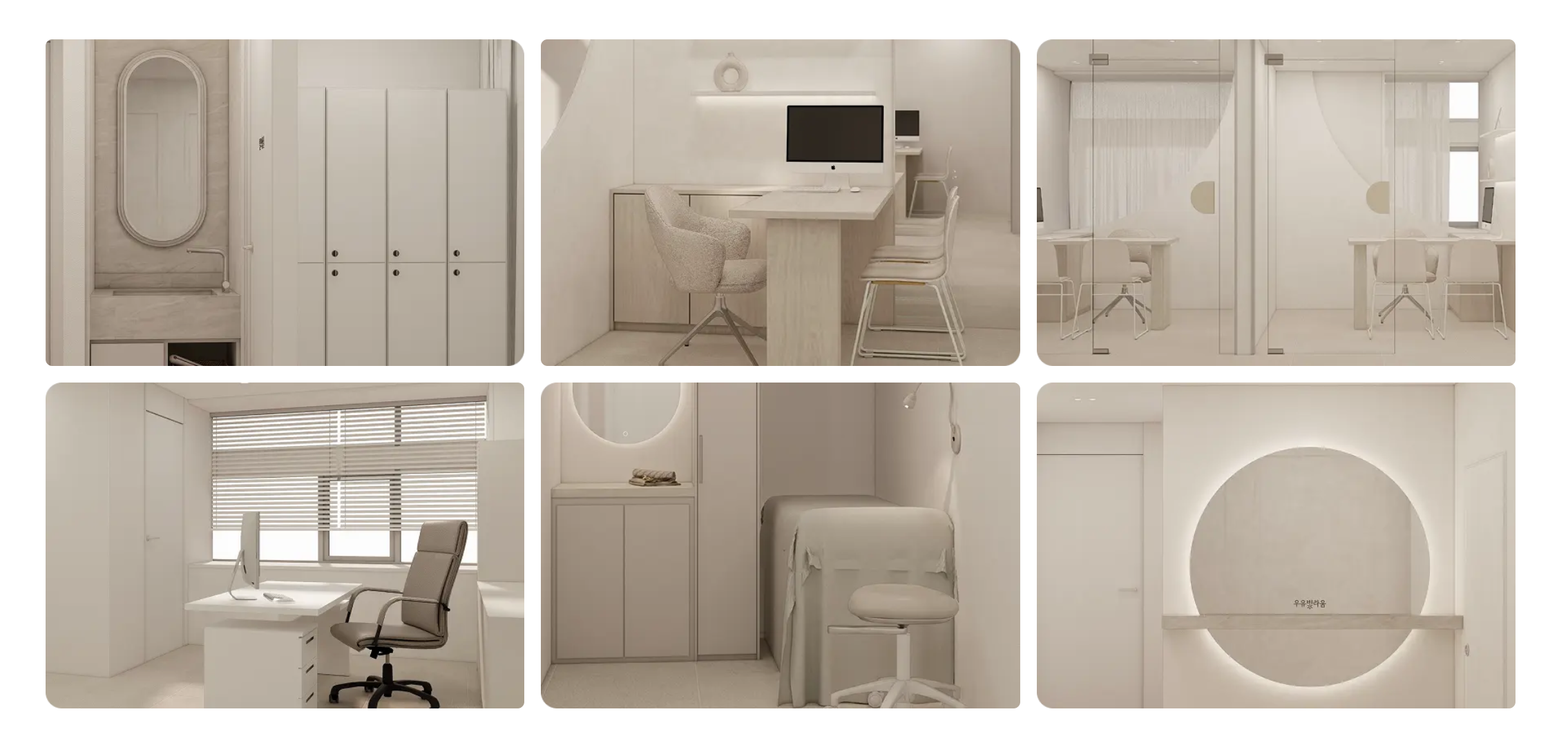
If you're curious whether Tansaeng Shot is the right fit for your skin, we'd love to help you find out.
Book a consultation at IRERAUM Clinic Gangnam today.